5 Jun 2026
Adaptive Textiles Bridging Training Surfaces and Apparel for Enhanced Athlete Mobility in Team and Individual Sports
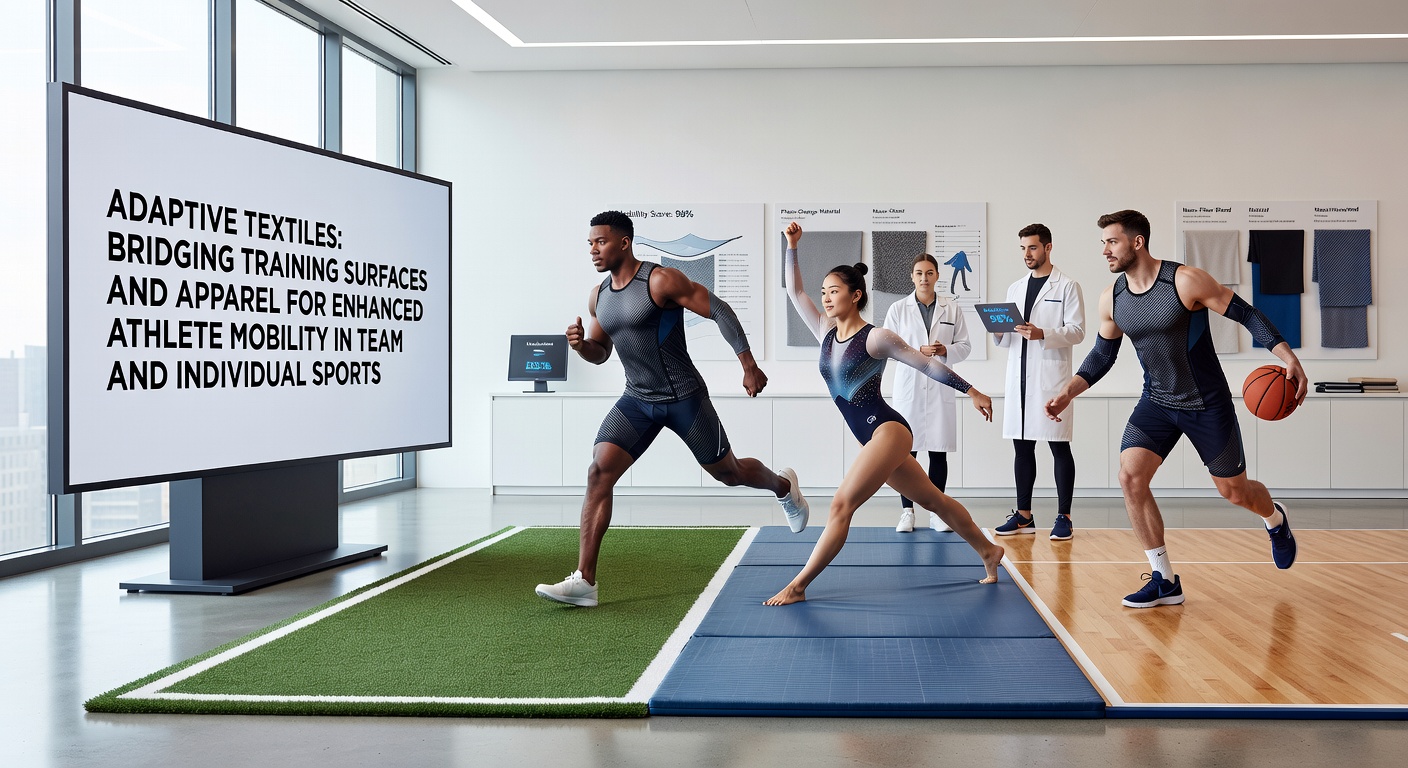
Adaptive textiles combine responsive fibers with embedded sensors to create direct connections between training surfaces and the apparel athletes wear, and this integration adjusts friction, flexibility, and support based on real-time surface feedback. Researchers have developed these materials using shape-memory polymers alongside conductive threads that detect pressure changes from surfaces like turf, courts, or tracks, then trigger adjustments in garment tension or cushioning layers. Data from multiple studies shows measurable gains in stride efficiency and joint stability when these systems operate across both team environments and solo training sessions.
Core Mechanisms in Surface-Apparel Interaction
Textile engineers embed micro-actuators within fabric layers so that contact with a particular surface activates localized responses, while the same garment maintains baseline performance when conditions shift mid-session. Phase-change materials within the weave absorb or release heat according to ground temperature readings transmitted through apparel sensors, and this process keeps muscle groups operating within optimal ranges during extended drills. Observers note that such bridging reduces the mismatch often seen between fixed shoe outsoles and variable court textures, allowing smoother transitions in direction and speed.
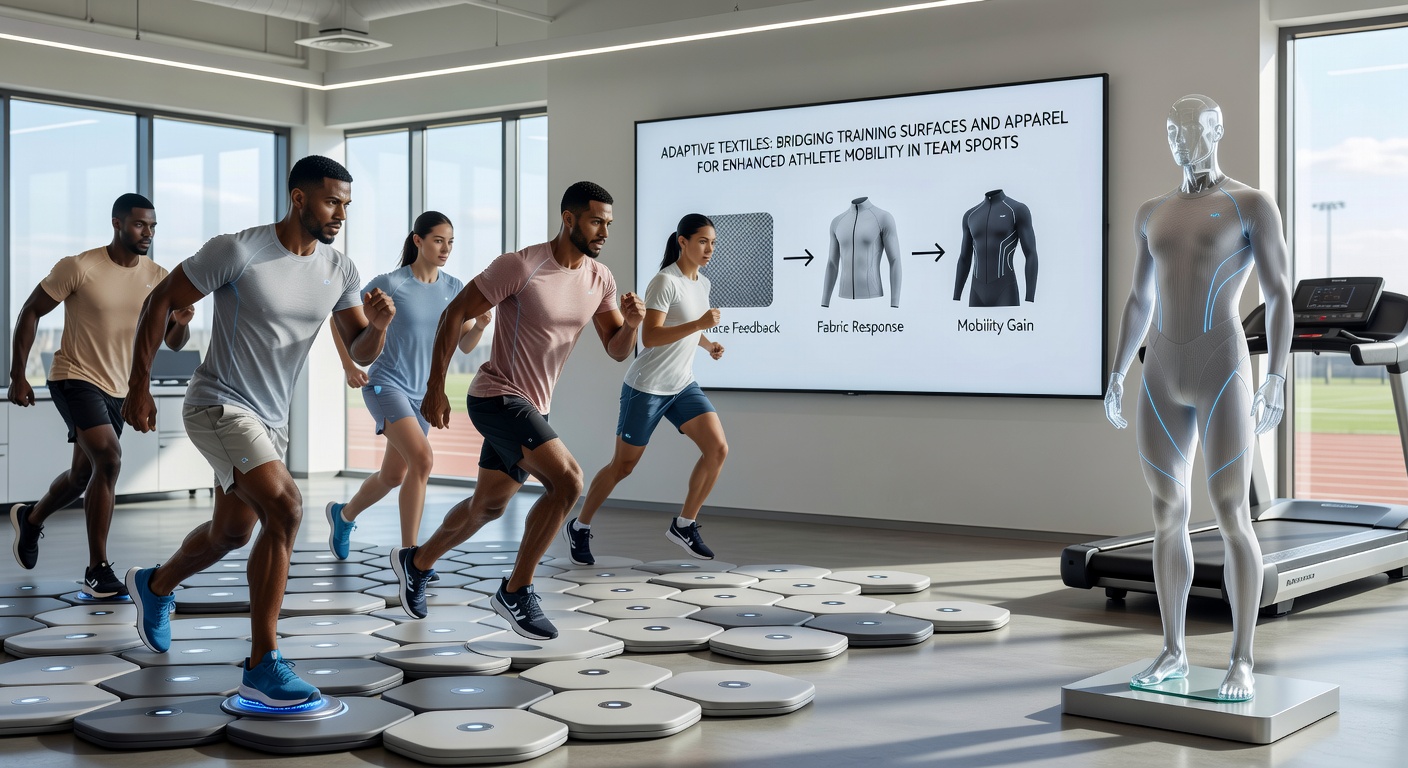
Integration occurs through wireless modules that sync apparel data streams with surface mapping systems installed in training facilities, and the resulting feedback loops refine mobility parameters for each athlete profile. Studies conducted at institutions across North America and Europe have quantified how these textiles lower energy expenditure during repeated acceleration phases by maintaining consistent grip coefficients regardless of moisture levels on the playing area.
Applications Across Team Sports Environments
In soccer and basketball settings, adaptive jerseys and shorts incorporate zonal panels that stiffen when players pivot on synthetic turf yet relax during straight-line sprints on natural grass. Teams in professional leagues have tested these garments during 2025 preseason camps, with performance logs indicating fewer instances of slippage-related interruptions. The textiles also interact with court sensors to modulate compression around knees and ankles, delivering support calibrated to impact forces recorded from the playing surface.
Coaches report that uniform sets equipped with this technology allow players to sustain higher workloads in scrimmage formats because the apparel continuously recalibrates based on surface hardness readings. Equipment manufacturers have scaled production of these hybrid kits for both indoor hardwood and outdoor pitch use, and supply chain records show increased adoption rates among clubs preparing for international tournaments.
Individual Sport Implementations and Performance Data
Distance runners and tennis players benefit from apparel that adjusts sleeve and pant-leg resistance according to track or court surface feedback received through embedded pressure arrays. A 2025 report compiled by the Australian Institute of Sport documented average improvements in ground contact time when athletes wore prototype vests and tights during interval sessions on mixed terrain. These garments utilize piezoelectric elements that harvest motion energy to power the adaptation cycles, eliminating the need for external charging during long training blocks.
Golfers have seen similar bridging technology applied to base layers that stabilize torso rotation while the shoes interact with fairway or rough conditions, and the coordinated response maintains swing plane consistency across temperature fluctuations. Research groups at several Canadian universities have tracked swing speed retention rates under these conditions, confirming that the textiles preserve mobility without adding bulk to the overall kit.
Developments Scheduled Around June 2026
Industry conferences planned for June 2026 will feature updated protocols for certifying adaptive textile systems under standardized surface interaction tests, and governing bodies from multiple regions have aligned testing criteria to cover both team and individual disciplines. Manufacturers expect to release next-generation versions incorporating biodegradable sensor substrates that maintain performance parity with current polymer blends. Field trials already underway in European training centers demonstrate compatibility with existing timing and tracking infrastructure used at major events.
Conclusion
Adaptive textiles that link training surfaces directly to apparel continue to expand mobility options for athletes operating in both team and individual contexts, supported by ongoing material refinements and coordinated research efforts. Performance records collected through 2025 and into early 2026 illustrate consistent patterns of improved efficiency when these systems operate across varied environments. Continued collaboration between textile developers, sports scientists, and facility operators will determine the pace at which these technologies reach broader training populations.