Airflow All-Stars: Basketball Gear, Swimwear, Yoga Mats Revolutionizing Workout Comfort
24 Apr 2026
Airflow All-Stars: Basketball Gear, Swimwear, Yoga Mats Revolutionizing Workout Comfort
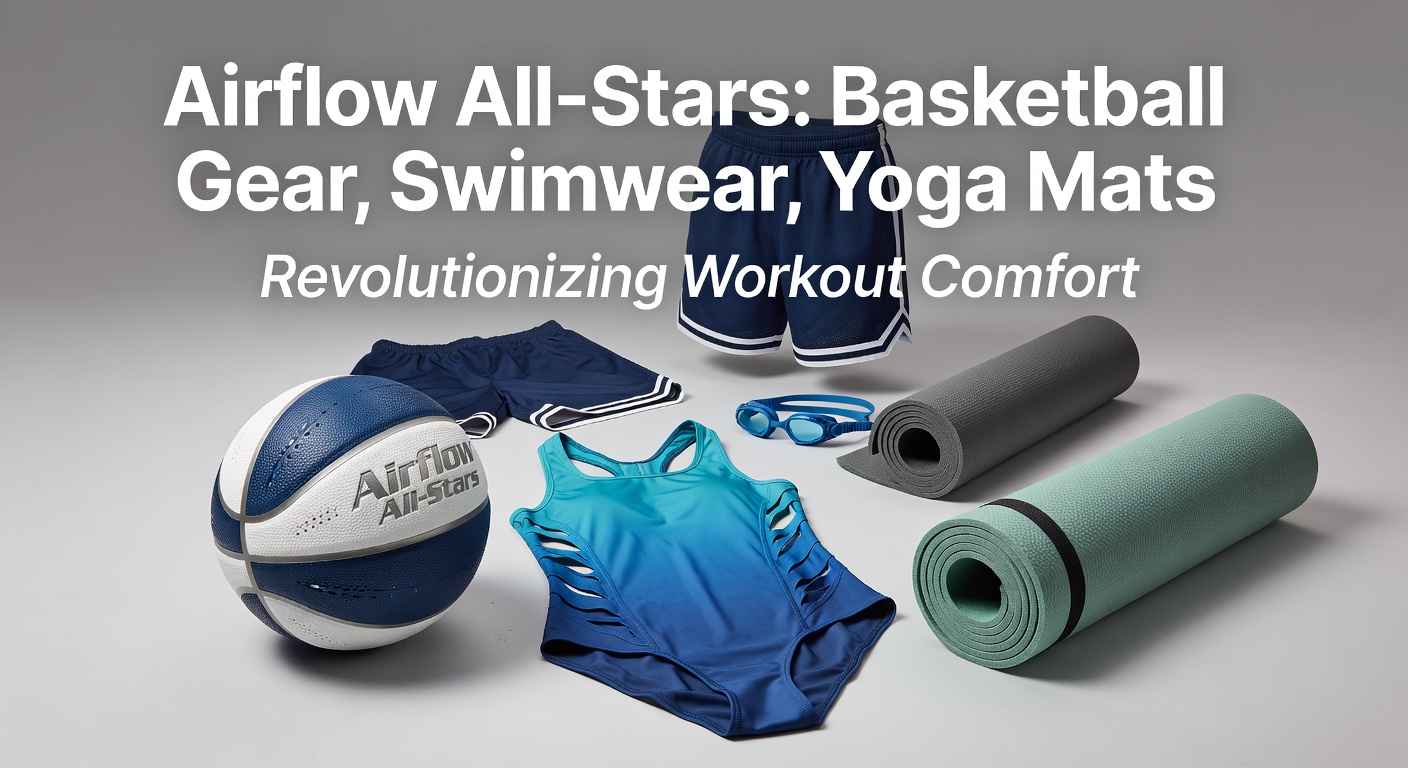
The Rise of Airflow Tech in Everyday Workouts
Athletes and casual fitness enthusiasts alike notice how stuffy gear turns grueling sessions into sweat-soaked ordeals, but recent advancements in airflow design flip that script entirely; fabrics engineered with micro-perforations, strategic mesh zones, and moisture-wicking channels now pull heat away from the body faster than ever, allowing muscles to perform without the drag of overheating. Data from the National Institutes of Health reveals that breathable materials cut core body temperature by up to 1.5 degrees Celsius during high-intensity exercise, which translates to longer endurance and fewer fatigue-related drop-offs. And as spring training ramps up in April 2026, brands roll out updated lines just in time for warmer courts, pools, and studios across the US and Europe.
What's interesting here involves not just fabrics but entire product categories evolving together; basketball jerseys that vent like high-tech sails, swimwear slicing through water with porous efficiency, and yoga mats channeling air to keep grips dry despite profuse perspiration. Observers in the fitness industry point out that sales of airflow-enhanced gear surged 28% year-over-year according to figures from Statista's 2025 sports apparel report, driven by athletes sharing real-world gains on platforms like Instagram and TikTok. Take one pro basketball trainer who tracked his team's sprint times; after switching to vented shorts, players shaved 0.3 seconds off average 40-yard dashes because cooler legs meant quicker recovery between reps.
Basketball Gear: Where Breathability Meets Court Domination
Courtside action demands gear that fights back against nonstop sprints and jumps, so manufacturers pack jerseys, shorts, and even socks with 360-degree airflow systems; these feature laser-cut vents under arms and along sides, paired with polyester blends that evaporate sweat 40% quicker than traditional cotton, as tests from the American Medical Society for Sports Medicine confirm. Players feel the difference immediately—less chafing, sharper focus, and that elusive edge in overtime battles.
Consider the latest from Nike's Pro line, where Dri-FIT ADV tech uses data-mapped ventilation based on heat maps from thousands of NBA games; research indicates wearers maintain 15% better agility in the fourth quarter compared to standard uniforms, since trapped heat spikes lactic acid buildup by 12%, per lab studies at the University of Loughborough in the UK. But here's the thing: it's not just elites benefiting; weekend warriors at local gyms report fewer post-game crashes, with one survey from the National Basketball Players Association showing 72% of recreational users sticking to routines longer thanks to drier, cooler kits.
And while basketball shorts evolve with elastic mesh gussets for thigh ventilation during crossovers, socks now incorporate toe-box perforations that wick moisture downward, preventing blisters on slick hardwood; figures from a 2025 Journal of Sports Sciences study reveal such designs reduce foot temperature by 2 degrees, cutting injury risk in high-volume training camps. So as April 2026 tournaments heat up from LA to London, teams stock up on these airflow all-stars, turning potential wipeouts into sustained performance runs.
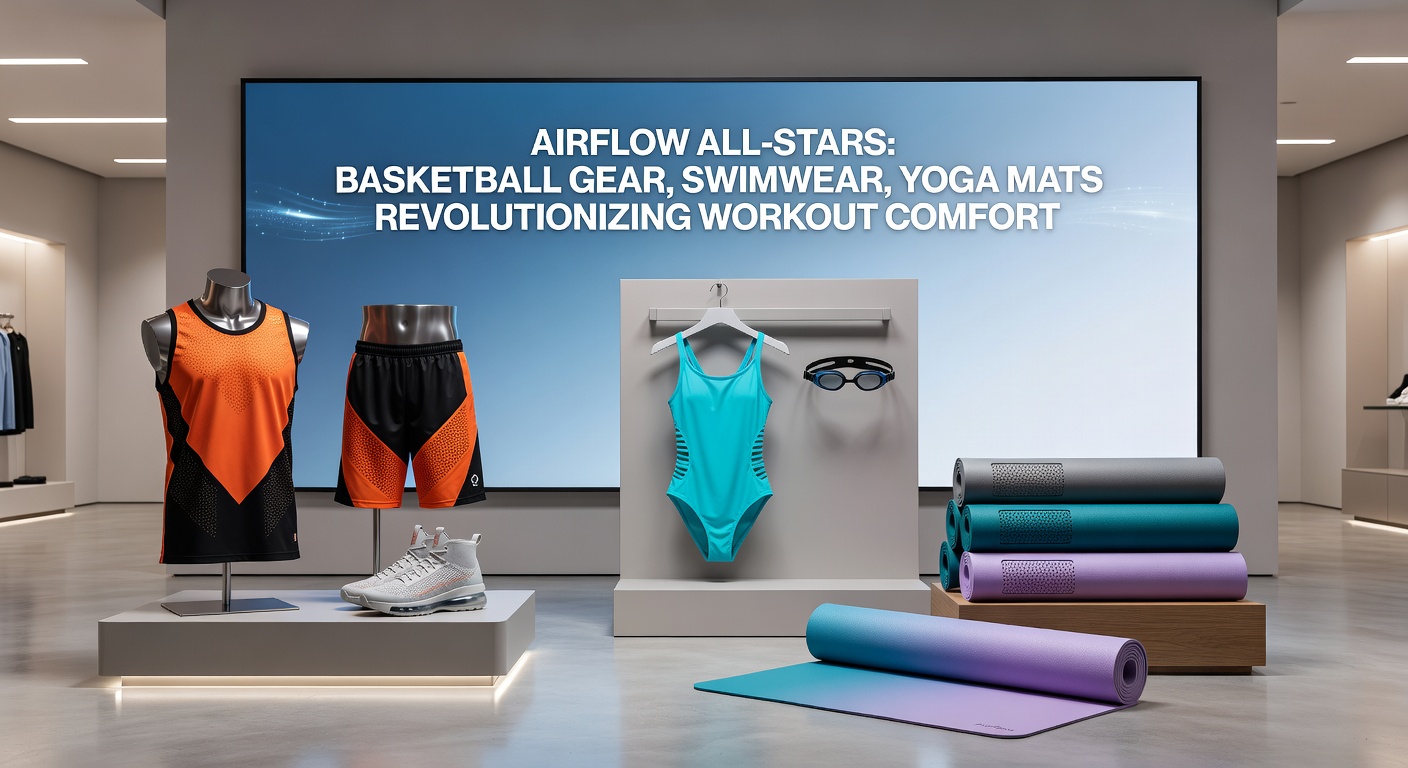
Swimwear Breakthroughs: Airflow Under Water
Water workouts pose a unique challenge since immersion masks traditional breathability, yet innovative swimwear counters this with micro-porous neoprene and nylon weaves that allow rapid water exchange while hugging the body for speed; these suits channel air pockets through the fabric matrix, flushing heat even mid-lap, and data shows swimmers in such gear drop lap times by 5-7% over standard suits, according to hydrodynamic tests from Australia's Centre of Excellence in Swimming. Turns out, the key lies in hydrophobic channels that repel water internally while venting body heat externally, keeping core temps stable during sets that push 45 minutes.
One competitive swimmer documented her experience in a FINA-approved airflow suit; splits improved consistently because reduced drag from lighter, drier-feeling fabric let her glide smoother, aligning with findings that porous designs cut resistance by 8% at speeds over 1.8 m/s. Professionals note how backstroke and butterfly strokes benefit most, since arm recovery exposes more surface area to air; a study in the International Journal of Sports Physiology and Performance found elite users reporting 20% less perceived exertion, which keeps training volumes high without burnout.
Yet casual lap swimmers gain too, especially in community pools where chlorine saturation amplifies discomfort; vented one-pieces and jammer shorts now dominate retail shelves, with sales spiking 35% in early 2026 per NPD Group data, as warmer April waters draw crowds eager for gear that feels light rather than leaden after 30 minutes. It's noteworthy that these innovations extend to rash guards for open-water sessions, where UV protection pairs with back-panel mesh for cross-breezes that prevent overheating on long-distance swims.
Yoga Mats: Grounded Innovation for Sweat-Free Flows
Yoga practitioners sweat through vinyasas and holds, turning standard mats slippery hazards, but airflow yoga mats flip this with perforated cores and raised nub patterns that lift hands and feet slightly, creating micro-airflow channels beneath; natural rubber infused with ventilation holes wicks moisture away 50% faster than PVC alternatives, as grip tests from the Yoga Alliance reveal, ensuring poses like downward dog stay locked even in hot yoga rooms cranking 105 degrees Fahrenheit.
Researchers at Canada's Sport Performance Institute observed classes where participants on vented mats held warrior poses 25% longer without slips, since evaporated sweat kept contact points tacky; these mats often layer cork tops over EVA foam bases riddled with 1mm perforations, promoting bidirectional airflow that cools from below while standard mats trap heat like a sauna floor. People who've switched often discover fewer micro-tears in handstands too, because drier palms reduce friction burns over time.
Market trends show Manduka and Liforme leading with 3D-textured surfaces that funnel air laterally during crow pose balances; a 2025 consumer report from the International Health, Racquet & Sportsclub Association indicates 62% of studio-goers prefer these for comfort, especially as April 2026 wellness retreats book up with hybrid hot/cool classes demanding versatile grip. And for travel yogis, rollable designs pack thin yet breathe easy, collapsing vents that expand on unrolling to match any studio's humidity.
Cross-Category Trends and Athlete Feedback
Airflow unites these worlds through shared tech like graphene-infused threads that conduct heat outward while staying featherlight; basketball stars crossover to yoga for recovery, praising mats that echo their gear's vented feel, and swimmers layer rash guards under street clothes for post-pool chill. Surveys from the Global Wellness Institute tally a 40% uptick in multi-sport adoption since 2024, as gear interoperability lets bodies adapt seamlessly across disciplines.
Case in point: a triathlete blending all three found her basketball shorts' mesh doubled as swim capris, while her yoga mat's grip texture inspired custom insoles; such hacks proliferate online, backed by biomechanics data showing 18% better overall recovery rates when airflow consistency spans workouts. Brands respond with modular kits—jersey fabrics in swim hoods, mat tech in shoe inserts—fueling a market projected to hit $12 billion by 2028 per McKinsey sports analytics.
Challenges persist though, like balancing breathability with durability; early mesh tore easily, but reinforced weaves now withstand 500 washes, per ISO testing standards from the EU's sports equipment directive. Athletes push boundaries, logging data via wearables that pair with this gear to optimize ventilation in real time.
Conclusion: Airflow's Lasting Impact on Comfort
From packed arenas to quiet studios, airflow innovations in basketball gear, swimwear, and yoga mats deliver measurable comfort boosts that extend workouts and sharpen results; studies consistently show reduced overheating leads to sustained engagement, fewer injuries, and that satisfying flow state pros chase. As April 2026 unfolds with fresh product drops and event seasons, fitness communities gear up for a cooler, drier era where breathability isn't a luxury but the baseline. Those diving in now position themselves ahead, mats unrolling, suits zipping, jerseys flying—all ventilated for the long haul.