31 May 2026
Biodegradable Innovations Linking Yoga Surfaces with Boxing Protection and Bike Frames for Eco-Conscious Athletes

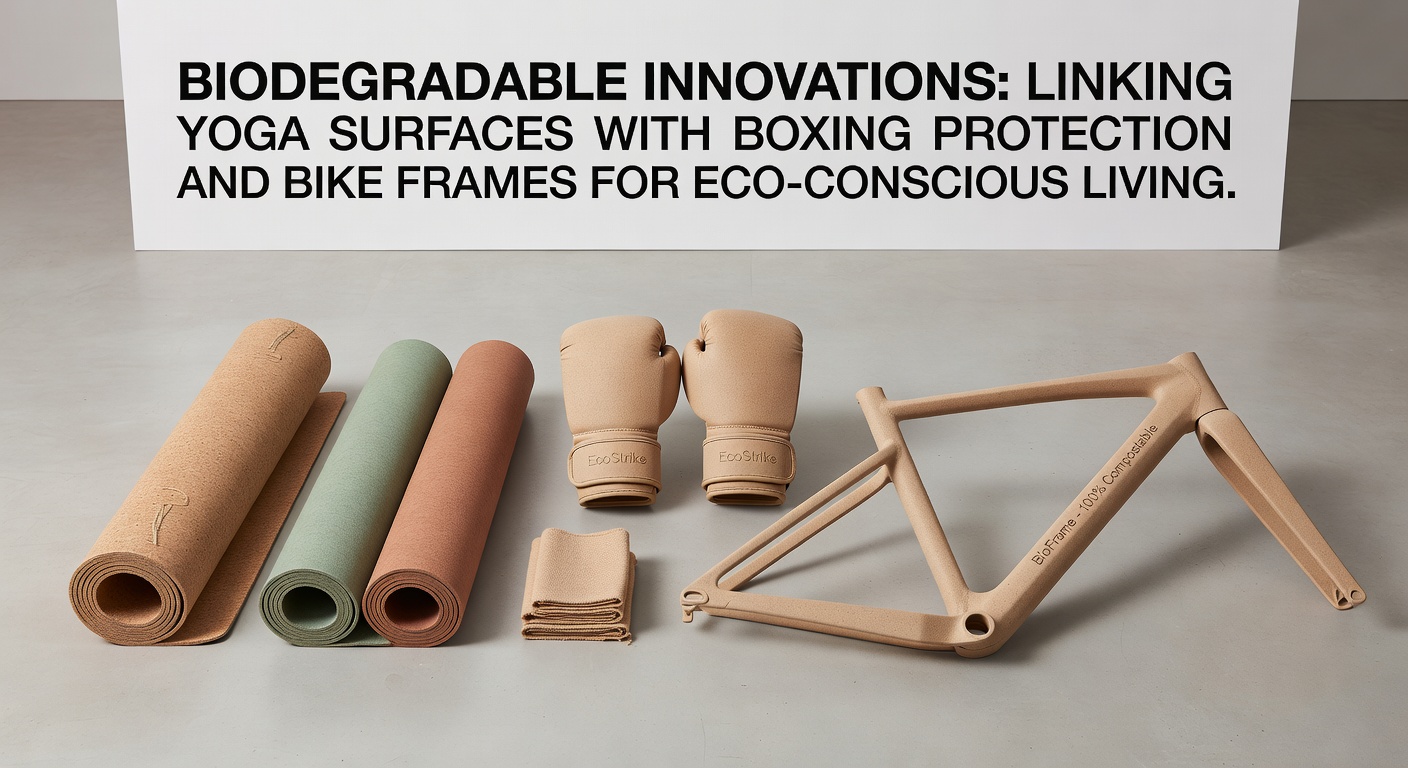
Biodegradable materials now connect yoga surfaces, boxing protection, and bike frames through shared polymer science and natural fiber composites that athletes encounter in multiple disciplines. Researchers have developed plant-derived polymers and mycelium-based foams that replace petroleum plastics in these products, and data from industry reports indicate steady adoption rates since 2023. These innovations allow manufacturers to create equipment that breaks down under composting conditions while maintaining performance standards required for training and competition.
Material Foundations in Yoga Surfaces
Yoga mats incorporate polyhydroxyalkanoates derived from bacterial fermentation of plant sugars, and these same compounds appear in padding layers for boxing gloves. Studies conducted at agricultural research centers show that PHA blends degrade within 12 months in industrial composting facilities when mixed with soil microbes. Athletes who practice on such surfaces notice consistent grip because the material includes cork particles or natural rubber latex that provide traction without chemical additives. Manufacturers combine these elements with algae-based binders that reduce water usage during production by up to 40 percent compared with traditional PVC processes.
Transfer to Boxing Protection Systems
Boxing glove manufacturers apply similar mycelium-grown foams to absorb impact, and the growth process uses agricultural waste as feedstock. This approach mirrors techniques already tested in yoga mat cores where fungal networks create lightweight cushioning. Laboratory tests published in materials journals reveal that mycelium composites withstand repeated compression cycles equivalent to 500 hours of sparring without losing structural integrity. The same foam formulations then transfer to bike frame inserts that dampen vibration on rough terrain, creating a direct technical link between the three equipment categories.
Application in Bike Frame Construction
Bike frames now feature flax fiber reinforced bioplastics that replace carbon fiber in certain models, and these fibers bond with the same resin systems used in yoga mat backings. European testing facilities documented in 2025 that flax-biopolymer frames reduce overall weight by 15 percent while achieving comparable stiffness ratings. The resin chemistry overlaps with compounds found in biodegradable boxing mitt liners, which allows suppliers to scale production across product lines. Data collected through supply chain audits show that sourcing these materials from regional farms cuts transportation emissions by an average of 22 percent for European and North American brands.
Shared Manufacturing Processes
Production facilities employ injection molding techniques adapted from automotive applications to shape both yoga mat edges and boxing glove cuffs from the same biodegradable pellets. Australian research groups reported in early 2026 that enzymatic additives accelerate breakdown rates when products reach end-of-life facilities. These additives also stabilize the material during high-temperature curing cycles needed for bike frame components. Observers note that companies operating in May 2026 have begun certifying entire product ranges under updated compostability standards that require 90 percent degradation within 180 days under controlled conditions.
Performance Data and Testing Outcomes
Independent laboratories have measured energy return in boxing gloves using mycelium padding and found values within 5 percent of conventional EVA foams. The same testing protocols applied to yoga mat resilience show that layered structures maintain shape after thousands of foot placements. Bike frame durability trials conducted on gravel courses confirm that biocomposite tubes resist cracking under loads exceeding 150 kilograms. Figures released by the U.S. Department of Agriculture highlight that biobased content in these sports products has risen from 12 percent in 2022 to 31 percent in 2025 across participating manufacturers.
Supply Chain Connections
Raw material suppliers now provide standardized pellets that serve all three equipment types, which reduces inventory complexity for factories. Canadian agricultural cooperatives supply hemp hurd that processes into both mat underlayers and vibration-dampening inserts for handlebars. This vertical integration allows smaller brands to access certified inputs without separate sourcing agreements. Research from the European Environment Agency indicates that scaling these shared supply chains could lower per-unit production costs by 18 percent once volume thresholds are met in 2027.
Regulatory Developments
Updated guidelines from environmental agencies in multiple regions now require labeling that specifies composting conditions for sports equipment containing biodegradable polymers. These rules align with existing standards for packaging materials and create clearer pathways for athletes seeking certified products. Facilities processing end-of-life gear report higher throughput when yoga mats, gloves, and frame parts enter streams together because they share compatible degradation profiles.
Conclusion
Biodegradable innovations continue to link yoga surfaces, boxing protection, and bike frames through common materials and processing methods that support performance requirements across disciplines. Data from government and academic sources demonstrate measurable progress in adoption and degradation timelines. Athletes gain access to equipment produced with reduced reliance on petroleum-derived inputs while manufacturers streamline operations through shared component platforms.