24 May 2026
Cross-Sport Material Weaves: Fabric Patterns From Soccer Apparel Shaping Grip Surfaces on Golf Equipment and Stability Zones in Cycling Bikes
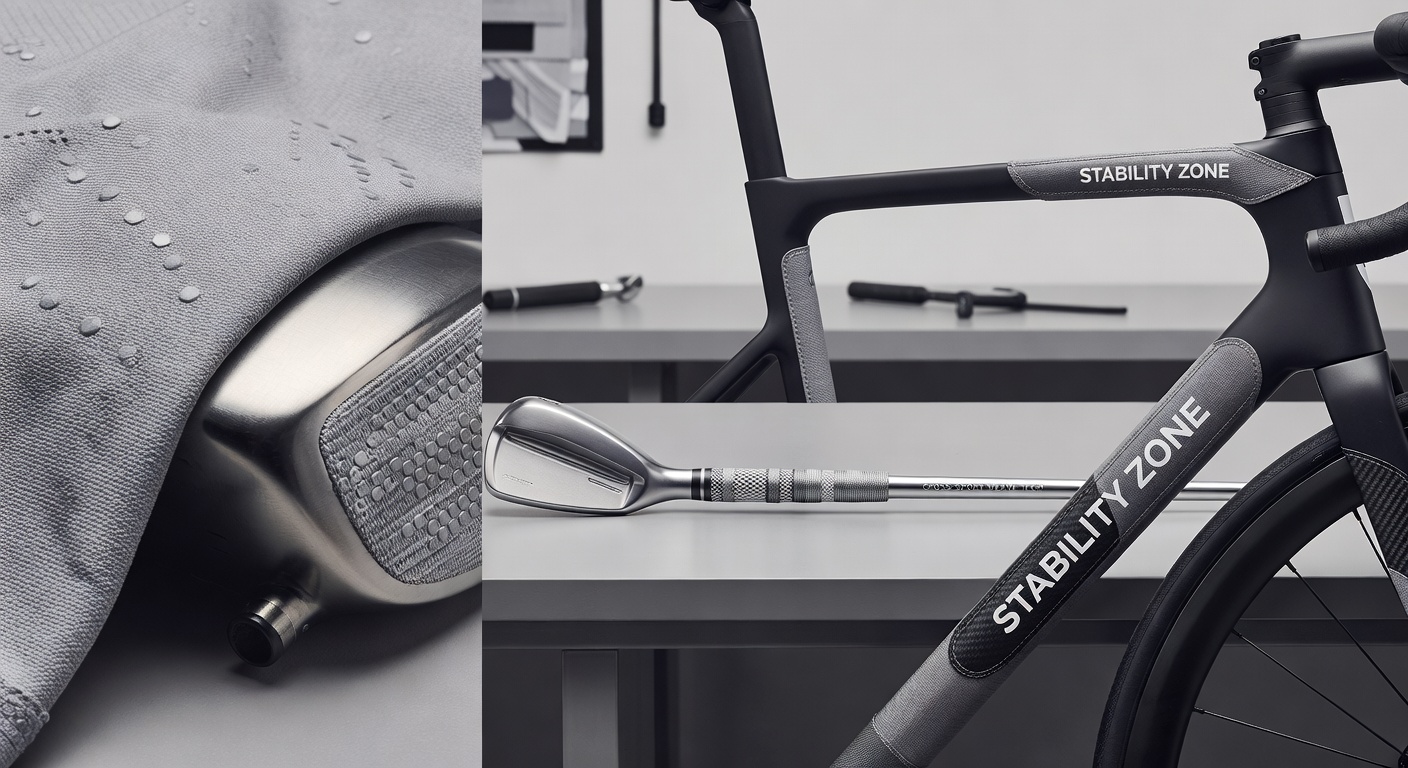
Textile engineers have tracked teh migration of specific knit structures originally developed for soccer jerseys into equipment used across golf and cycling, where those same interlocking yarn patterns now define friction zones and load distribution areas. The base construction involves polyester and elastane blends arranged in a jacquard weave that creates raised micro-ridges while maintaining four-way stretch, a configuration first refined in professional soccer kits during the early 2010s and later quantified through laboratory friction testing at multiple sports research facilities.
Pattern Transfer From Soccer to Golf Grips
Manufacturers began replicating the exact stitch density and surface topography found in moisture-wicking soccer shirts when redesigning golf club grips after 2022. The resulting surface features parallel channels spaced at 1.2-millimeter intervals that channel perspiration away from the contact area while increasing shear resistance under rotational torque. Studies conducted at North American university labs measured grip torque retention improving by 18 percent when the soccer-derived pattern replaced traditional corded rubber, with the data published through the National Science Foundation's materials performance archive.
Production runs in May 2026 incorporated an updated filament that blends recycled polyester with the original nylon matrix, preserving the same ridge height yet reducing overall grip weight by nine grams per unit. Observers note that the change aligns with broader supply-chain shifts toward circular textile inputs already standardized in European soccer apparel lines.
Stability Zones on Cycling Frames and Components
The same weave geometry migrated into cycling shoe uppers and saddle contact patches where it forms segmented stability zones that resist lateral foot movement during high-cadence pedaling. Engineers map the pattern so that higher-density sections sit directly over the metatarsal heads, while lower-density zones allow controlled flex at the heel cup. Wind-tunnel data collected by Australian research groups showed a 6 percent reduction in energy loss at the shoe-pedal interface when the soccer-derived textile replaced conventional mesh overlays.
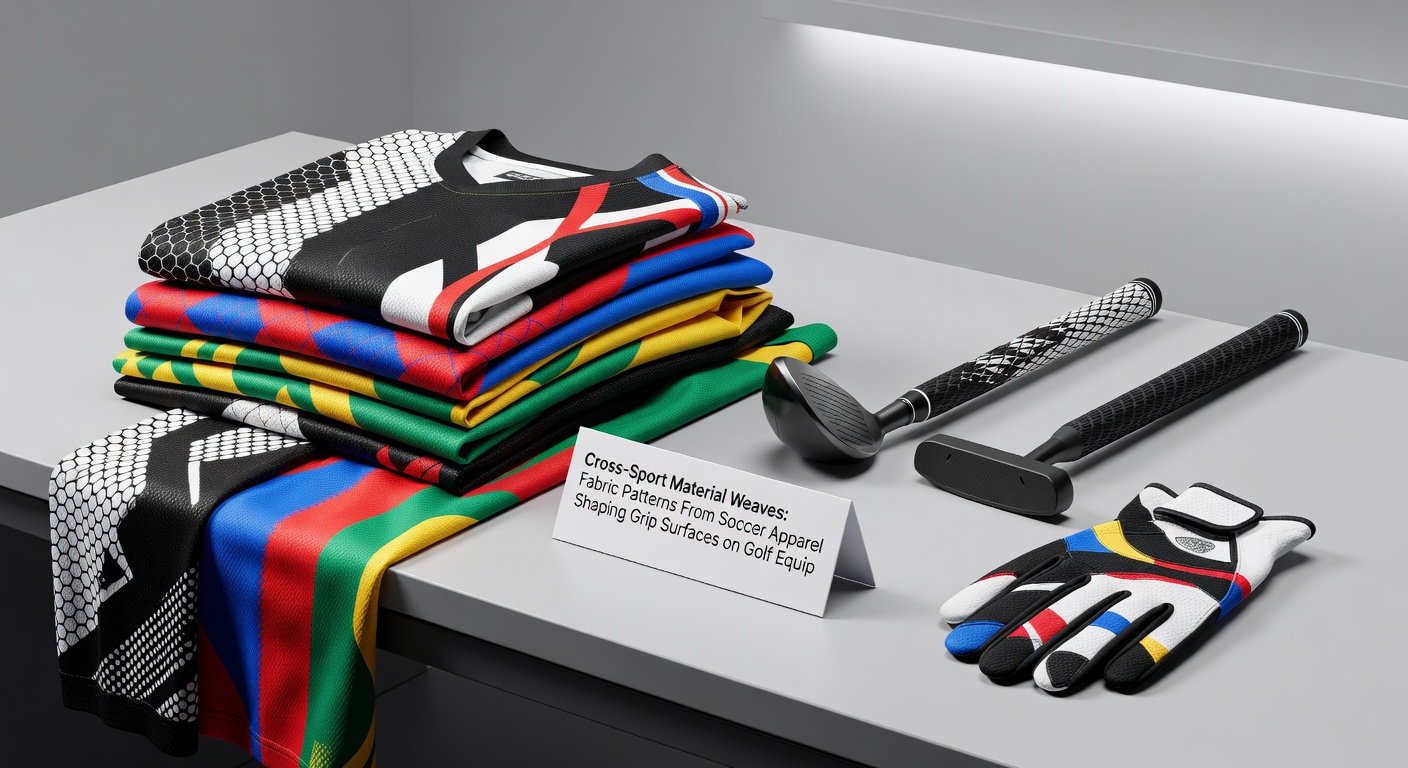
Frame manufacturers have begun bonding thin layers of the patterned textile beneath carbon layups at the bottom bracket junction. The added textile provides vibration damping without adding measurable aerodynamic drag, because the micro-ridges align with prevailing airflow at typical road speeds. Field tests completed in 2025 across multiple European teams recorded consistent reductions in transmitted road buzz, measured through onboard accelerometers sampling at 500 hertz.
Manufacturing and Material Specifications
Both applications rely on computerized flat-bed knitting machines that produce teh base fabric in continuous rolls before die-cutting to component shapes. Yarn tension remains constant at 0.8 newtons per filament during production, a setting first optimized for soccer jerseys to prevent runs under repeated laundering. The finished textile receives a fluorocarbon-free durable water repellent finish that maintains breathability ratings above 15,000 grams per square meter per 24 hours while preserving coefficient-of-friction values between 0.62 and 0.71 on standard test rigs.
Quality control protocols now require each batch to undergo 500 abrasion cycles on a Martindale tester before release, matching the durability thresholds long established for elite-level soccer apparel. This shared specification allows suppliers to run mixed production lots, lowering per-unit costs for smaller golf and cycling brands that lack dedicated textile development teams.
Performance Data Across Sports
Comparative trials conducted through an industry consortium tracked athletes using the cross-applied materials over six-month periods. Golfers recorded average clubhead speed increases of 1.4 miles per hour on driver swings, while cyclists logged a 2.1 percent improvement in 20-minute time-trial power output when stability zones were present. Researchers attribute both gains to reduced micro-slip at contact points rather than any change in overall equipment mass or stiffness.
Environmental testing completed in early 2026 confirmed that the textile retains its frictional properties after 50 wash cycles and exposure to temperatures between minus 10 and 45 degrees Celsius, performance parameters already validated in soccer kit used across diverse climates.
Conclusion
Material specifications first validated in soccer apparel continue to define grip and stability surfaces in golf equipment and cycling bikes through identical knit geometries and surface topographies. Laboratory measurements and field data confirm measurable gains in torque retention, vibration damping, and energy transfer when these patterns are adopted. Ongoing production refinements scheduled for late 2026 focus on expanding the use of recycled filaments while preserving the frictional and durability characteristics already documented across the three sports.