17 May 2026
Polymer Breakthroughs Reshaping Resilience in Fitness Trackers, Swimwear, and Basketball Gear for Extended Outdoor Exposure
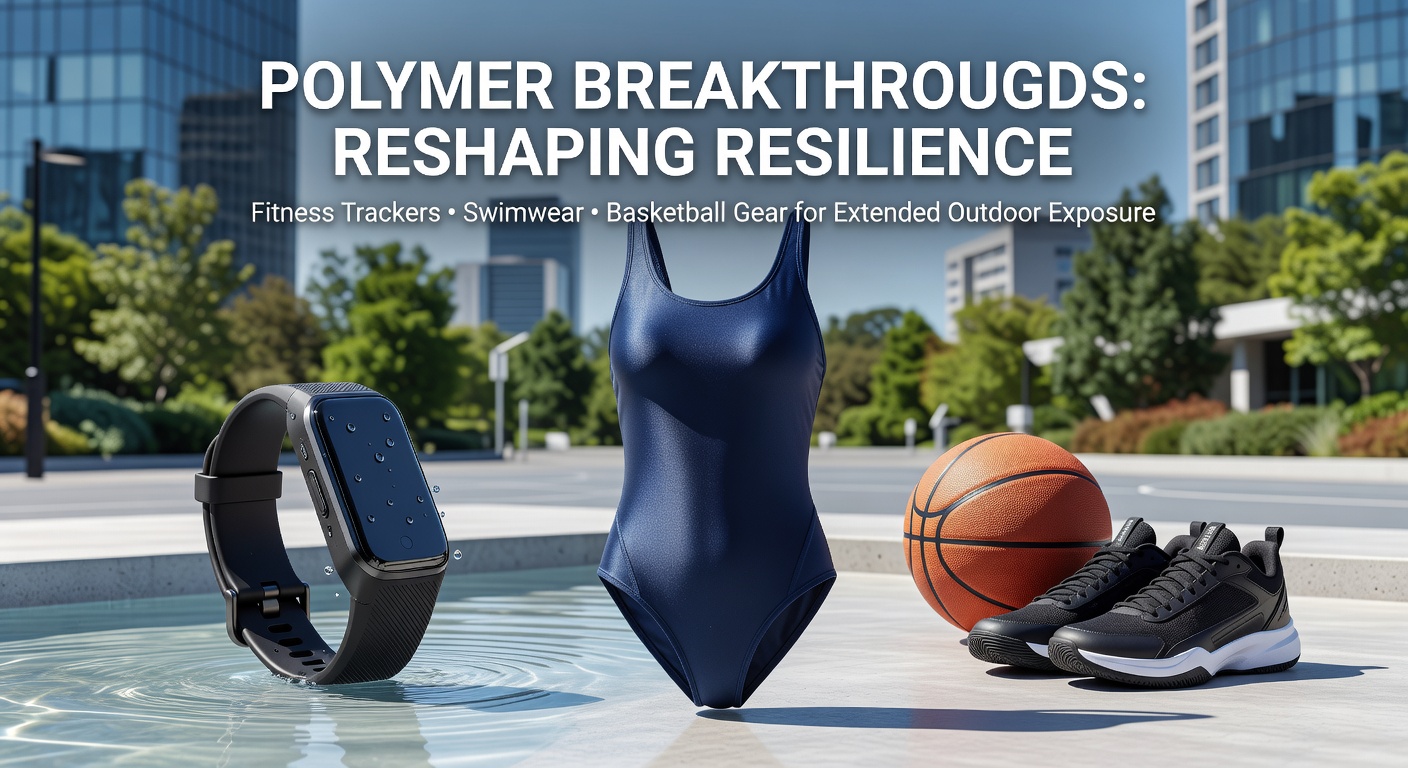
Polymer innovations continue to transform how fitness trackers, swimwear, and basketball gear withstand prolonged exposure to sun, moisture, and varying temperatures, with developments accelerating through 2026. Researchers at institutions across North America and Europe have identified new molecular structures that improve UV resistance while maintaining flexibility and breathability in these products.
Manufacturers now incorporate cross-linked polyethylene variants and silicone-based elastomers into device casings and fabric blends, allowing components to endure repeated cycles of heat and humidity without cracking or losing structural integrity. These materials form protective layers that block ultraviolet degradation, a common issue for electronics and textiles left outdoors during training sessions or competitions.
Enhancements in Fitness Tracker Durability
Modern fitness trackers rely on polymer coatings that seal internal sensors against water ingress and abrasive particles encountered on trails or beaches. Data from field tests conducted in coastal regions show these coatings extend operational lifespans by shielding circuit boards from salt air corrosion. Engineers have refined fluoropolymer additives to create surfaces that repel oils and sweat, reducing maintenance needs for users who track metrics during extended runs or swims.
In May 2026, several brands integrated self-healing polymer matrices into wristband designs, where minor scratches reform at the molecular level when exposed to ambient warmth. This approach stems from studies on dynamic covalent bonds, which allow the material to redistribute stress without external intervention. Observers note that such features prove especially useful in environments where devices face constant friction from gear or natural obstacles.
Advancements for Swimwear Longevity
Swimwear fabrics now feature polymer reinforcements that maintain elasticity after hundreds of hours in chlorinated or saltwater pools. Australian research groups have documented how blended polyamide fibers with enhanced UV stabilizers resist fading and fiber breakdown under intense sunlight. These modifications help garments retain their shape and color during prolonged outdoor aquatic activities, from open-water swims to beach volleyball sessions.
Manufacturers apply thin layers of thermoplastic polyurethane to seams and panels, creating barriers that limit water absorption while permitting vapor escape. This balance supports comfort during extended wear, as excess moisture no longer accumulates inside the fabric. Evidence from controlled exposure trials indicates these treatments cut degradation rates significantly compared to untreated synthetics, preserving performance characteristics over multiple seasons.
Improvements in Basketball Gear Construction
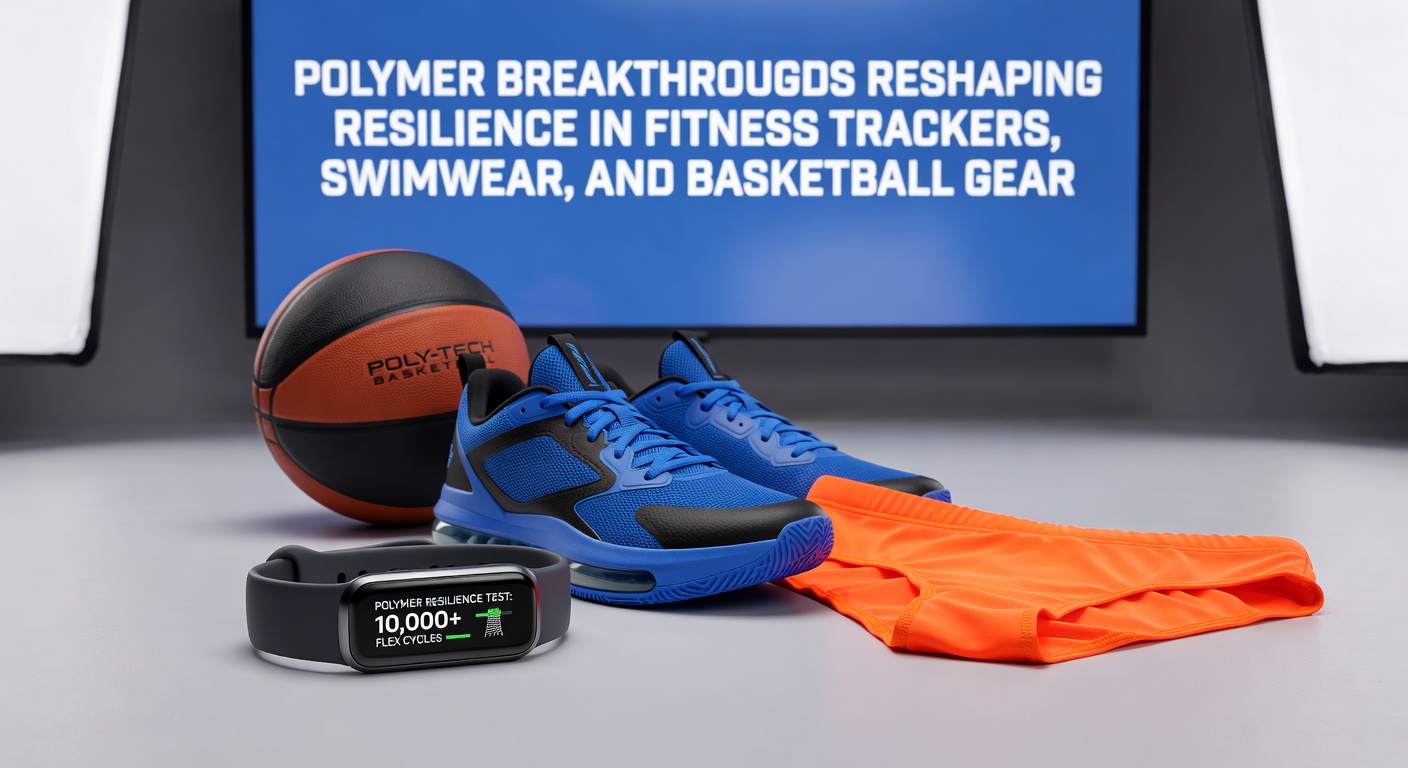
Basketball apparel and accessories incorporate polymer composites in outer shells and padding to counter the effects of direct sunlight and temperature swings on courts. Canadian material scientists have examined how reinforced polypropylene structures in shoes and shorts resist softening or stiffening when left in varying weather conditions. These polymers distribute impact forces more evenly while maintaining grip on outdoor surfaces exposed to rain or dust.
Ball manufacturers embed similar compounds into cover materials to prevent cracking from ultraviolet rays and repeated bounces on abrasive concrete. Reports from sports equipment laboratories highlight reduced surface wear after simulated outdoor aging processes that mimic months of daily use. Athletes benefit from consistent handling properties, as the polymers limit moisture retention that could otherwise alter traction during games played in humid or rainy settings.
Broader Industry Patterns and Testing Standards
Across these categories, testing protocols now emphasize accelerated weathering simulations that replicate months of outdoor exposure in weeks. Standards bodies in the European Union have updated guidelines to include polymer-specific metrics for tensile strength retention and color stability. This shift encourages suppliers to prioritize formulations that balance resilience with environmental considerations, such as reduced microplastic shedding during laundering or use.
Supply chains have adapted by sourcing bio-derived polymer precursors that offer comparable performance to petroleum-based options. Figures from industry reports reveal growing adoption rates among mid-sized producers who seek to meet demand for gear suited to year-round outdoor training. Those who have studied material interactions note that combining multiple polymer types often yields synergistic effects, where one component enhances the protective qualities of another without compromising flexibility or weight.
Conclusion
Polymer advancements continue to support extended outdoor use of fitness trackers, swimwear, and basketball gear by addressing specific vulnerabilities to environmental factors. Ongoing refinements in molecular design and application methods expand the practical range of these products for active individuals in diverse climates. As testing and sourcing practices evolve, the focus remains on measurable improvements in longevity and functional consistency across varied conditions.