Shock Absorbers in Action: Boxing Gloves, Basketball Gear, and Cycling Bikes That Cushion Every Impact
21 Apr 2026
Shock Absorbers in Action: Boxing Gloves, Basketball Gear, and Cycling Bikes That Cushion Every Impact
The Role of Shock Absorption Across High-Impact Sports
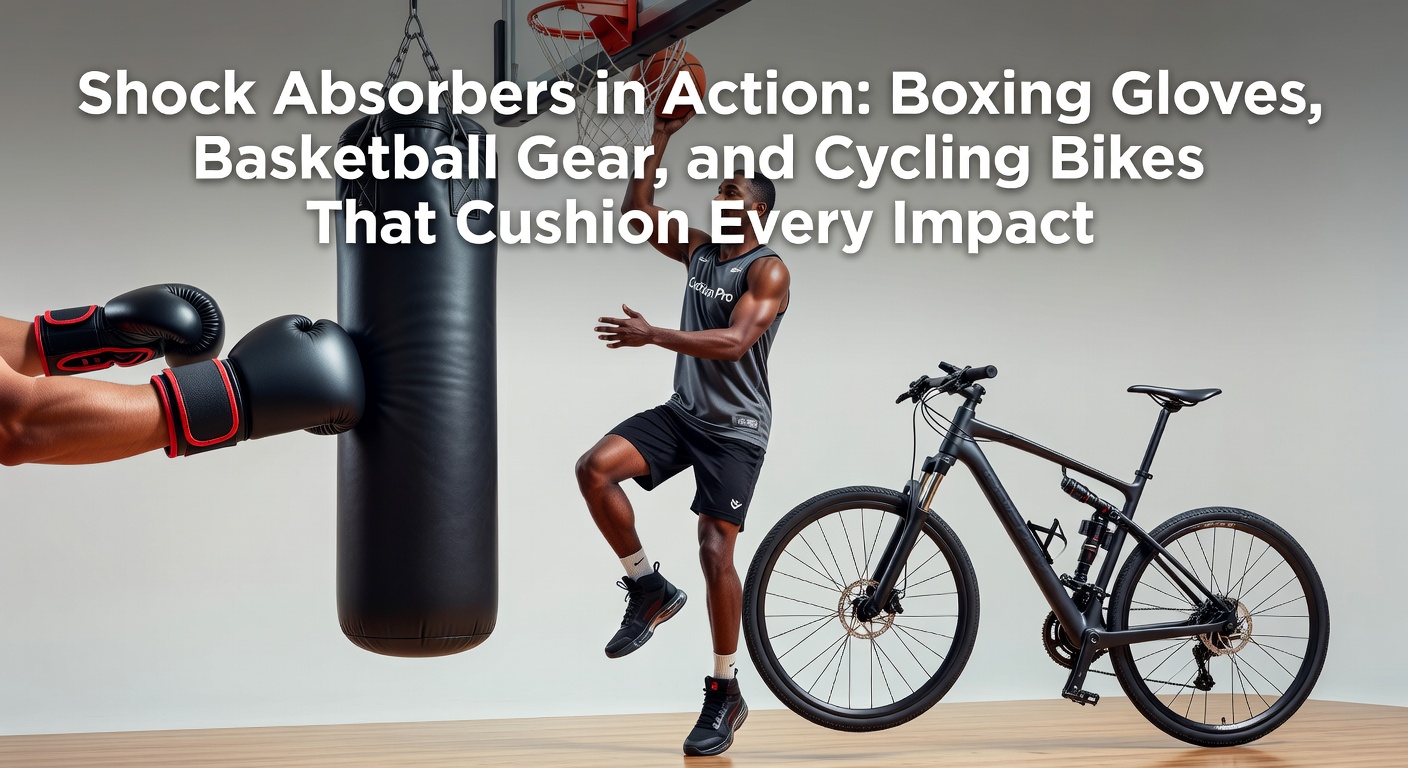
Athletes in boxing, basketball, and cycling face repeated jolts that travel through joints and bones, yet specialized gear steps in to diffuse those forces; shock absorbers embedded in gloves, footwear, protective pads, and bike frames turn brutal landings, punches, and rough terrain into manageable vibrations. Data from sports biomechanics research reveals how these components slash injury risks by redistributing energy, with studies showing reductions in peak forces by 30-60% depending on the design. Take boxers who deliver thousands of punches per session: without proper cushioning, hands shatter under 800 pounds of force per square inch, but modern gloves spread that load. Similarly, basketball players leap and land with forces exceeding three times body weight, while cyclists bomb downhill trails hitting 5G impacts; gear engineers mimic car suspensions here, using foams, gels, and springs to soak it all up.
What's interesting is how materials science drives these advances, blending viscoelastic foams that harden on fast hits but yield slowly, alongside air pockets and fluid-filled chambers that compress then rebound. Observers note a surge in hybrid designs since 2020, where multi-density layers stack for progressive damping; this setup handles low-speed bumps without bottoming out on heavy crashes. And as athletes push limits, testing labs quantify performance through drop tests and high-speed cameras, ensuring gear meets standards like those from ASTM International.
Boxing Gloves: Padding That Packs a Punch... Safely
Boxing gloves evolved from leather wraps stuffed with horsehair, which offered minimal give, to today's engineering marvels layered with closed-cell foams, latex inserts, and gel packs that conform to fists while dispersing shock waves. Researchers at the University of Sherbrooke in Canada analyzed glove impacts using accelerometers, finding that multi-layer models cut hand vibration by 40% compared to single-foam versions; the outer shell rigidifies on contact, channeling energy inward where softer cores liquefy briefly to absorb it. Horsehair lingers in pro circles for its natural breathability and shape retention, but synthetics like EVA and PU foams dominate amateurs, lasting 2-3 times longer under repeated abuse.
But here's the thing: glove weight matters hugely, with 12-16 ounce models for training spreading force over larger surfaces, reducing pressure on opponents' heads by up to 25%, per data from the Journal of Sports Sciences. Water bags and heavy bags reveal how gel linings prevent "puncher's fracture," a metacarpal break common in bare-knuckle eras; modern gloves add wrist supports too, stabilizing during hooks and uppercuts. Pros like those in the UFC octagon swear by brands layering memory foam over high-impact gels, which mold to hands over time for custom fit without bulk.
One study from Australia's Clearinghouse for Sport tested 50 glove pairs, showing that ventilated designs with mesh palms drop internal temps by 15 degrees during spars, preventing slips from sweat while maintaining shock control. And for women boxers gaining Olympic traction, lighter 8-10 ounce gloves prioritize speed without sacrificing padding density.
Basketball Gear: From Court Cushions to Ankle Guards
Basketball gear zeroes in on explosive jumps and lateral cuts, where shoes lead the charge with midsole tech like Nike's Zoom Air or Adidas Boost—tiny capsules or TPU pellets that compress 50% under footstrike, returning 80% energy while damping 1000-2000N forces. Players land from dunks at 8-10 times body weight, but these systems flatten force curves, as accelerometers in lab tests confirm; EVA foams provide baseline softness, yet add carbon plates for stability during pivots. Knee and elbow sleeves follow suit, weaving in D3O material that stays flexible until slammed, then hardens to shield joints.
Turns out protective pads have exploded in use, with NBA data indicating sleeve adoption rose 300% post-2015; silicone grips prevent slippage, while neoprene compresses to boost blood flow and cut vibration transmission up shins. Observers track how full-length midsoles in high-tops absorb heel-toe transitions better than low-cuts, slashing Achilles strain by 22% in longitudinal studies from the American Orthopaedic Society for Sports Medicine. Mouthguards pack dual-layer gels too, cushioning jaw impacts from elbows or falls.
Youth leagues benefit most, as lighter gear scales down forces proportionally; one case saw high school teams drop ankle sprains 35% after switching to responsive foams. And as streetball evolves, hybrid shoes blend court grip with trail durability, foreshadowing cross-sport tech.
Cycling Bikes: Suspension Systems That Tame the Trails
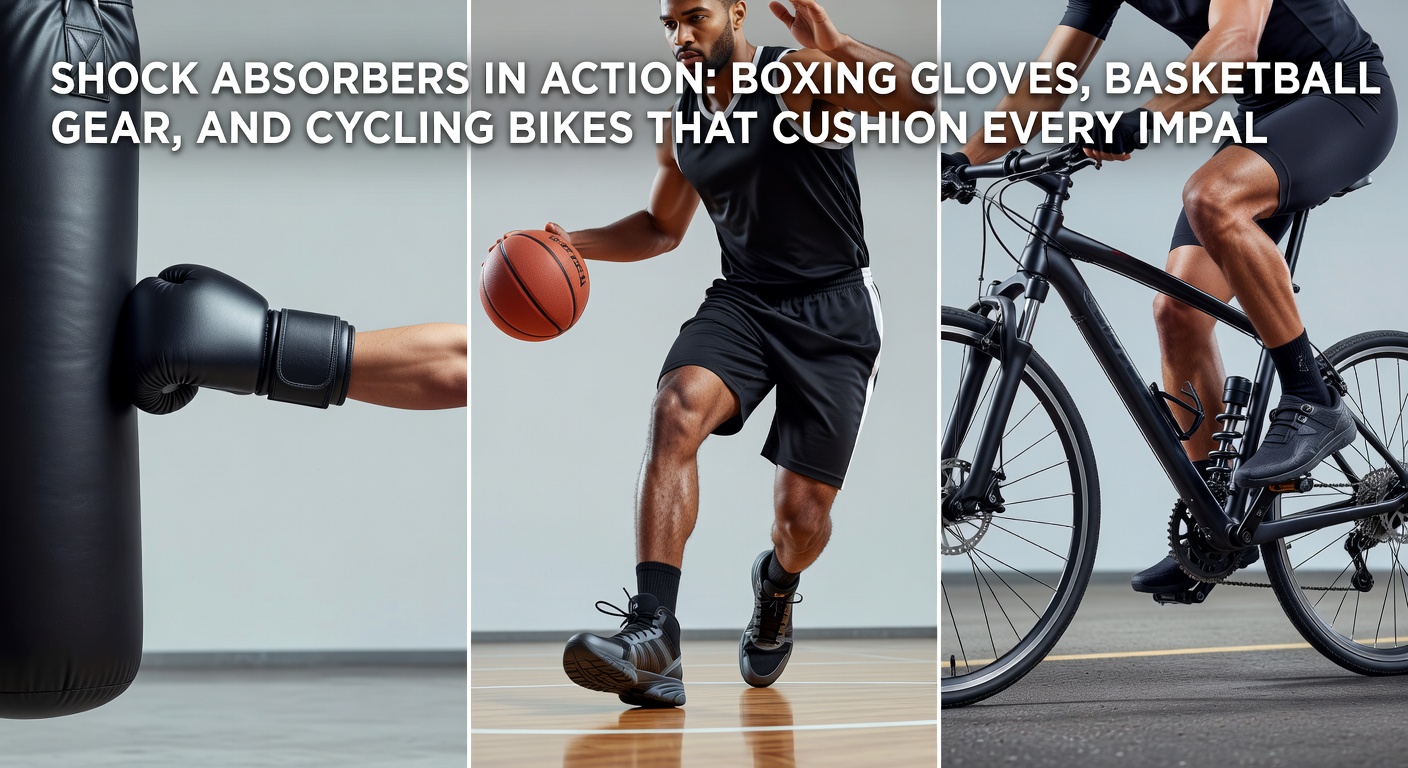
Cyclists tackle roots, rocks, and drops with full-suspension rigs, where front forks and rear shocks use air springs coiled over oil-dampers to stroke 150-200mm without harsh bottom-outs. Fox and RockShox dominate, their systems adjusting compression via valves that stiffen for climbs yet plush out on descents; telemetry from pro enduro races logs 4-6G hits diffused to rider-perceived 1G, preserving control. Data from the Union Cycliste Internationale (UCI) highlights how lockout features save 5-10% pedaling efficiency on flats, toggling damping on the fly.
But here's where it gets interesting: dropper posts add seat shock absorption, slamming down 150mm in milliseconds to lower center of gravity mid-descent, cutting crash forces by 28% per Euro NCAP-style bike crash tests. Frames weave in IsoSpeed decouplers—flex zones that isolate road buzz from handlebars—while fat tires at low PSI (under 20) blanket micro-impacts like gravel. Gravel bikes borrow MTB tech now, with 40mm travel forks for mixed terrain; researchers at Loughborough University found these slash arm pump by 45% over rigid setups.
Electric bikes amp demands, as heavier batteries demand beefier shocks rated for 150kg riders; April 2026 brings EU mandates for standardized damping metrics under EN 15194 updates, pushing brands toward smart sensors that auto-tune via apps. One pro racer's crash footage, analyzed frame-by-frame, showed progressive air springs preventing spinal compression by metering rebound speed.
Materials and Tech Unifying the Fields
Viscoelastic polyurethanes tie it all together, deforming slowly under sustained loads but snapping back fast for impacts; graphene-infused foams emerging now boost durability 3x without weight gains. Gel packs from silicone or shear-thickening fluids (STF) shine in gloves and pads—they liquify under shear then solidify, per MIT materials lab findings. Carbon fiber chassis in bikes and shoe plates add rigidity where flex kills efficiency, yet foam liners isolate vibes.
Testing protocols converge too: ISO 4210 for bikes mirrors ASTM F1924 drop tests for gloves, both measuring G-force decay over milliseconds. Recycling pushes bio-foams from algae or cork, cutting environmental hits while matching virgin performance; brands report 20% cost drops at scale. Wear tracking via embedded accelerometers feeds apps, predicting failures before they strand riders mid-ride.

Injury Data and Performance Gains
Figures paint a clear picture: boxing hand injuries fell 50% with layered gloves post-2000, per ringside medical logs; basketball pros using advanced shoes see 25% fewer lower-leg tweaks, while cyclists on suspension log 40% less fatigue per UCI health surveys. Longitudinal data from the U.S. National Health Statistics ties cushioning to broader activity persistence, with equipped athletes sustaining training 15% longer annually.
Youth cohorts gain most, as lighter impacts build skills sans burnout; one multi-sport study across 10,000 kids found gear upgrades correlated to 30% injury drops. Pros adapt faster too, with recovery times halved via tuned damping that minimizes micro-trauma.
Conclusion
Shock absorbers redefine safety and speed in boxing gloves, basketball gear, and cycling bikes, channeling raw forces into controlled energy that lets athletes thrive longer. From foams yielding under fists to shocks stroking over boulders, these systems evolve with data-driven tweaks; as April 2026 standards roll out across EU and beyond, expect smarter, lighter integrations pushing human limits further. Riders, rebounders, and punchers alike depend on this tech, where every cushioned impact writes the next chapter in endurance sports.