22 May 2026
Stability Secrets Underfoot: Innovations Connecting Running Footwear and Exercise Surfaces for Better Balance
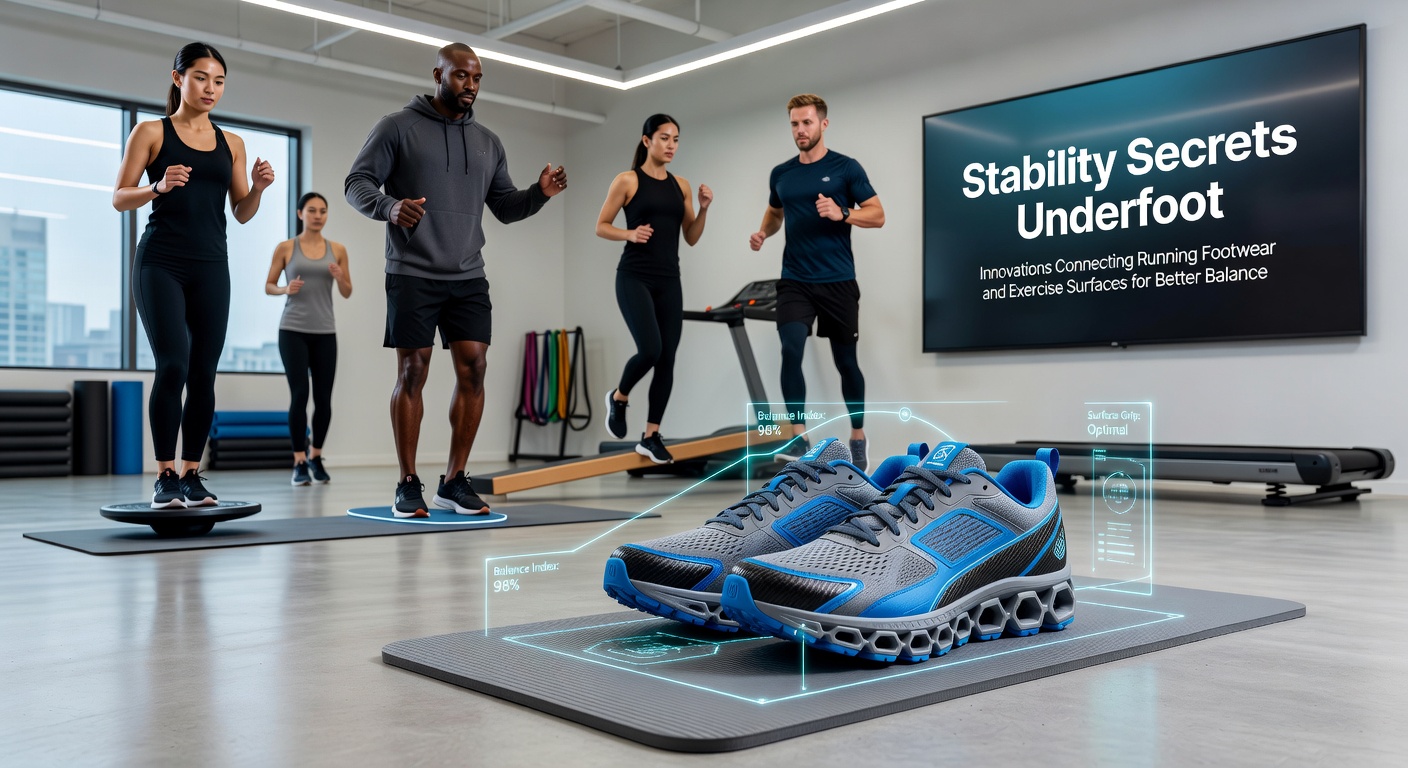
Engineers and biomechanics specialists continue to develop running footwear that works in tandem with specific exercise surfaces to improve stability during dynamic movements, and data from multiple studies show how material interfaces reduce lateral sway while maintaining forward propulsion. In May 2026 researchers at several international labs released updated metrics on these paired systems after tracking thousands of strides across indoor and outdoor environments.
Material pairings that lock in control
Manufacturers now combine midsole compounds with surface textures so that compression and rebound patterns match the substrate directly beneath the foot, which produces measurable gains in balance metrics during side-to-side drills and sudden directional changes. One study released by the University of British Columbia tracked athletes on both rubberized tracks and foam-based studio floors and found that shoes engineered with variable-density pods cut ankle inversion events by 18 percent when paired with the correct surface finish.
Those same pairings also affect ground reaction forces because the shoe deforms in a controlled manner that matches the surface's elasticity, and this coordinated response keeps the center of mass more centered over the base of support throughout each gait cycle. Observers note that runners who switch between mismatched combinations experience higher torque at the knee joint even when overall speed remains constant.
Surface engineering meets footwear sensors
Exercise surface producers embed micro-textures and responsive polymers that interact with embedded sensors in newer running models, and this two-way communication allows real-time adjustments to cushioning firmness based on detected shear forces. Data released in early 2026 indicated that such integrated setups lowered corrective muscle activation time by an average of 42 milliseconds during balance-challenging protocols.
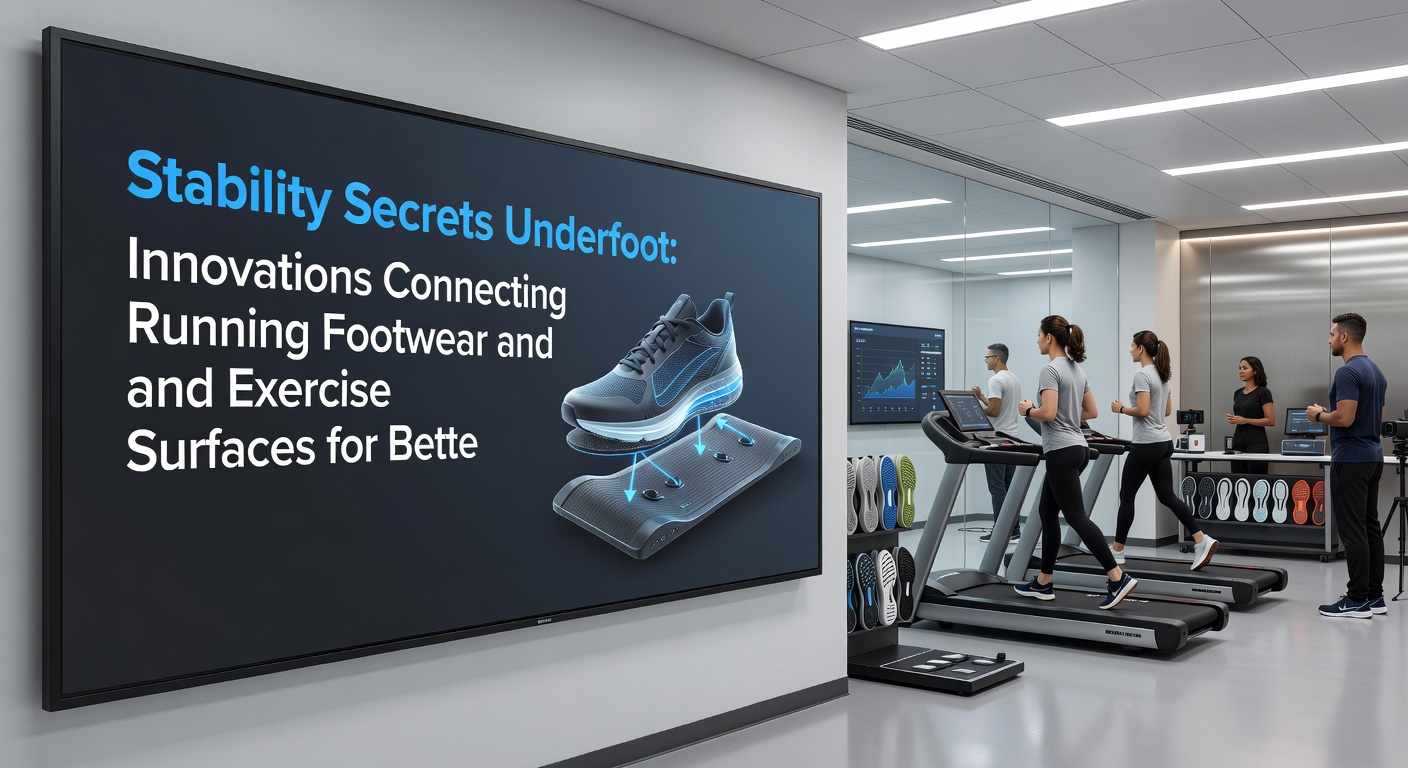
Technicians calibrate these systems using force-plate arrays and high-speed cameras so that the feedback loop between shoe and floor remains within a narrow performance window across different athlete body weights and stride lengths. When calibration drifts outside that window, balance scores drop quickly, which explains why facility managers now schedule quarterly surface re-profiling alongside shoe firmware updates.
Testing protocols and measurable outcomes
Standardized balance assessments now include dual-surface trials where participants wear instrumented shoes while completing single-leg stands and reactive hops on both compliant and rigid substrates, and results compiled by the European College of Sport Science show consistent improvements in postural sway reduction when the footwear-surface combination receives prior optimization. Athletes who train under these matched conditions demonstrate faster recovery of equilibrium after perturbations compared with those using generic pairings.
Longitudinal tracking further reveals that overuse injuries linked to instability decline when facilities maintain documented compatibility charts for their flooring systems and the shoe models approved for each zone. Maintenance crews therefore log surface durometer readings alongside recommendations for specific outsole compounds that preserve the intended interaction.
Future directions in paired technology
Development teams currently explore phase-change materials that stiffen or soften in response to surface temperature fluctuations, and early prototypes suggest these adaptations could maintain consistent grip coefficients across seasonal variations in studio and track environments. Pilot programs scheduled for late 2026 aim to quantify how such dynamic responses influence multiplanar balance during prolonged sessions.
Facilities adopting these innovations report streamlined equipment inventories because fewer shoe models satisfy stability requirements across multiple surface types, which reduces both procurement costs and storage demands. The approach also simplifies coaching cues since athletes receive uniform proprioceptive feedback regardless of the specific zone they train within on any given day.
Conclusion
Continued refinement of running footwear and exercise surface interfaces rests on precise material matching, sensor feedback, and standardized testing that together deliver measurable balance gains. Organizations that implement these paired solutions record lower instability-related incidents while supporting consistent performance across varied training conditions.